One figure captures a deep trend. According to the global survey by ISAPS (the International Society of Aesthetic Plastic Surgery), published on 29 September 2026 on 2025 data, blepharoplasty is now the most performed aesthetic surgical procedure in the world. With around 2.46 million procedures (+16%), it overtakes liposuction and breast augmentation for the first time — and does so for both sexes.
The gaze, priority number one
Of the more than 35 million aesthetic procedures recorded worldwide in 2025 (nearly 17.9 million of them surgical), eyelid surgery comes first. Notably, for men too, it becomes the n°1 procedure, ahead of gynaecomastia and rhinoplasty. Why such enthusiasm? Because the gaze is the first thing we see in a face. Heavy or puffy eyelids give a tired, sad or aged look — even when you feel perfectly well. Correcting this means recovering a rested gaze, without changing anything else.
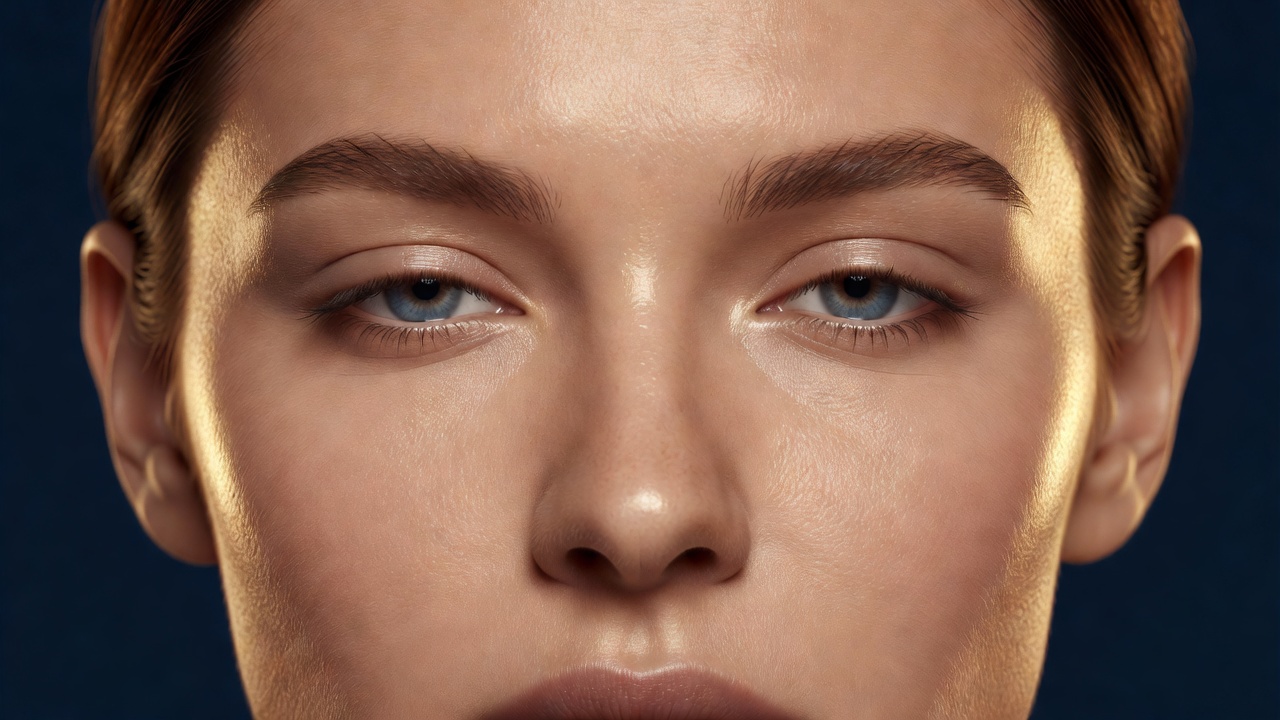
What is blepharoplasty?
Blepharoplasty corrects excess skin and fat pockets of the eyelids:
- Upper blepharoplasty removes excess skin from the upper eyelid, which can sometimes weigh down the gaze or even impair the visual field.
- Lower blepharoplasty treats the 'bags' under the eyes (fat herniation) and, depending on the case, a slight excess of skin.
The scars are hidden in the natural crease of the upper eyelid or just below the lashes for the lower eyelid: over time, they become almost invisible. It is a precise procedure, often performed under local or light anaesthesia.
What blepharoplasty does not correct
This is the key point, and where honest surgical advice makes the difference. Eyelid surgery has precise limits:
- It does not correct brow ptosis (a drooping eyebrow). A sagging brow can create the illusion of excess eyelid skin; in that case, a procedure on the brow (fronto-temporal lift) is indicated, not blepharoplasty alone.
- It does not erase coloured under-eye circles (pigmentary or vascular), which require other treatments (injections, dermatological care).
- It does not treat crow's feet, which are the domain of botulinum toxin.
Promising a patient that blepharoplasty will fix everything would be dishonest. My role is to make the right diagnosis: sometimes the real solution lies elsewhere, or in a combination of procedures. You can learn more on my dedicated blepharoplasty page and on the brow lift.
A demand for natural results
What strikes me in these figures is what they say about changing expectations. The success of blepharoplasty reflects a desire for a discreet result: people do not want another face, they want their own, in a rested version. That is exactly the philosophy I stand for — to enhance without distorting.
A good result on the eyelids is not noticed: people will simply tell you that you look well.
Source: International Society of Aesthetic Plastic Surgery (ISAPS) — Global Survey 2025 (2025 data, published 29 September 2026).