"I want it to show that I'm rested — not that I've had surgery." I hear this in almost every consultation. It captures an expectation that has become dominant: a natural, discreet result that respects your face rather than transforming it.
2026: the year of the 'undetectable' result
Across the Atlantic, people now speak of a genuine shift. The American Board of Cosmetic Surgery has named 2026 'the undetectable era': patients want results so subtle that even close friends cannot tell. The American Society of Plastic Surgeons confirms the 2026 trend: preservation, regeneration, and procedures that respect anatomy rather than forcing it. It is a direct backlash against the excesses of previous years — overfilled lips, aggressive contouring, frozen faces.
Techniques are evolving accordingly: the deep plane facelift (a deep lift that repositions tissues instead of pulling skin), subtle fat grafting and biostimulation are replacing heavy volumisation.
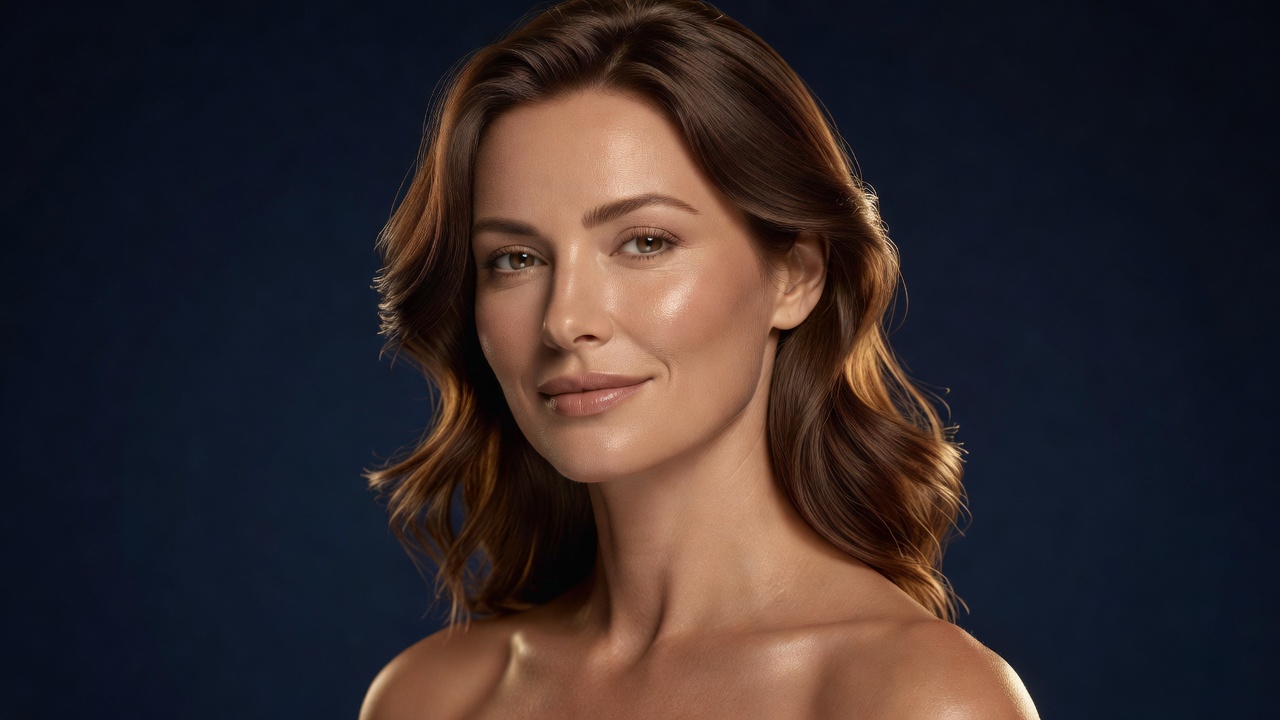
The 'French Touch': a tradition, not a trend
Here is what this American narrative often forgets: what America is discovering in 2026, France has always practised. From its very origins, French aesthetic surgery has been built around restraint and discretion. The term 'French Touch' describes this approach: to enhance without distorting, to preserve the identity and expression of the face, to refuse the ostentatious result.
Where a certain American culture long valued the spectacular and the visible, French philosophy has always held that the best surgery is the surgery you cannot see. This restraint is not a constraint: it is an art of the natural, made of measured doses, combined techniques and respect for proportion. The 2026 'undetectable' movement is, at heart, simply catching up with what French aesthetic surgery has championed for decades.
My philosophy of the discreet result
In practice, aiming for the invisible relies on several principles. First, treat the cause rather than mask it: reposition sagging tissues rather than inflate. Second, respect movement: a face must still express emotion. Third, combine sparingly surgery and aesthetic medicine, in light touches, rather than one abrupt transformation.
A good result comes down to one thing: those around you find you looking well, without being able to say why. You can learn more about my approaches to the facelift, injectables or fat grafting.
After a successful procedure, the finest compliment is not "what did you have done?" but "you look wonderful".
Sources: American Board of Cosmetic Surgery — 'The Undetectable Era', 2026; American Society of Plastic Surgeons — 'Plastic surgery trends for 2026'.